
Sparkling Moments with AI: Why Adoption Starts with Usefulness
Feb 28, 2026Jul 07, 2026
Over the past few weeks, I have been exploring a key question: How do you create meaningful momentum at the beginning of AI transformation across cultures and roles within our IT division?
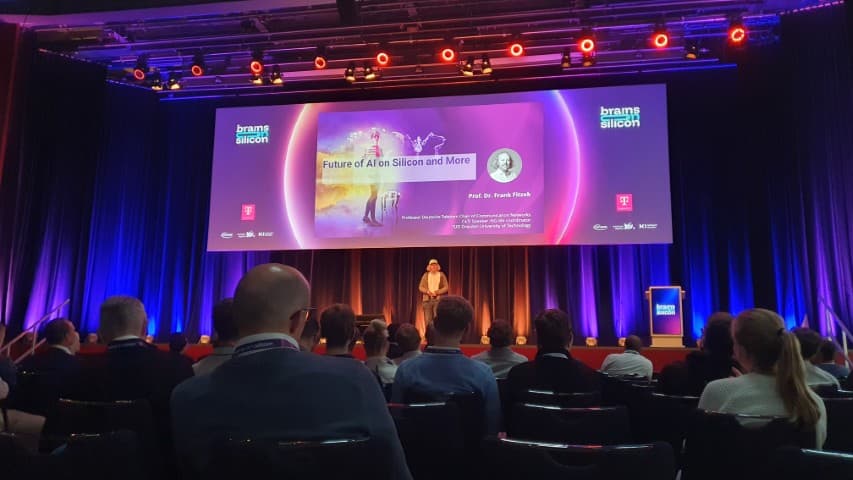
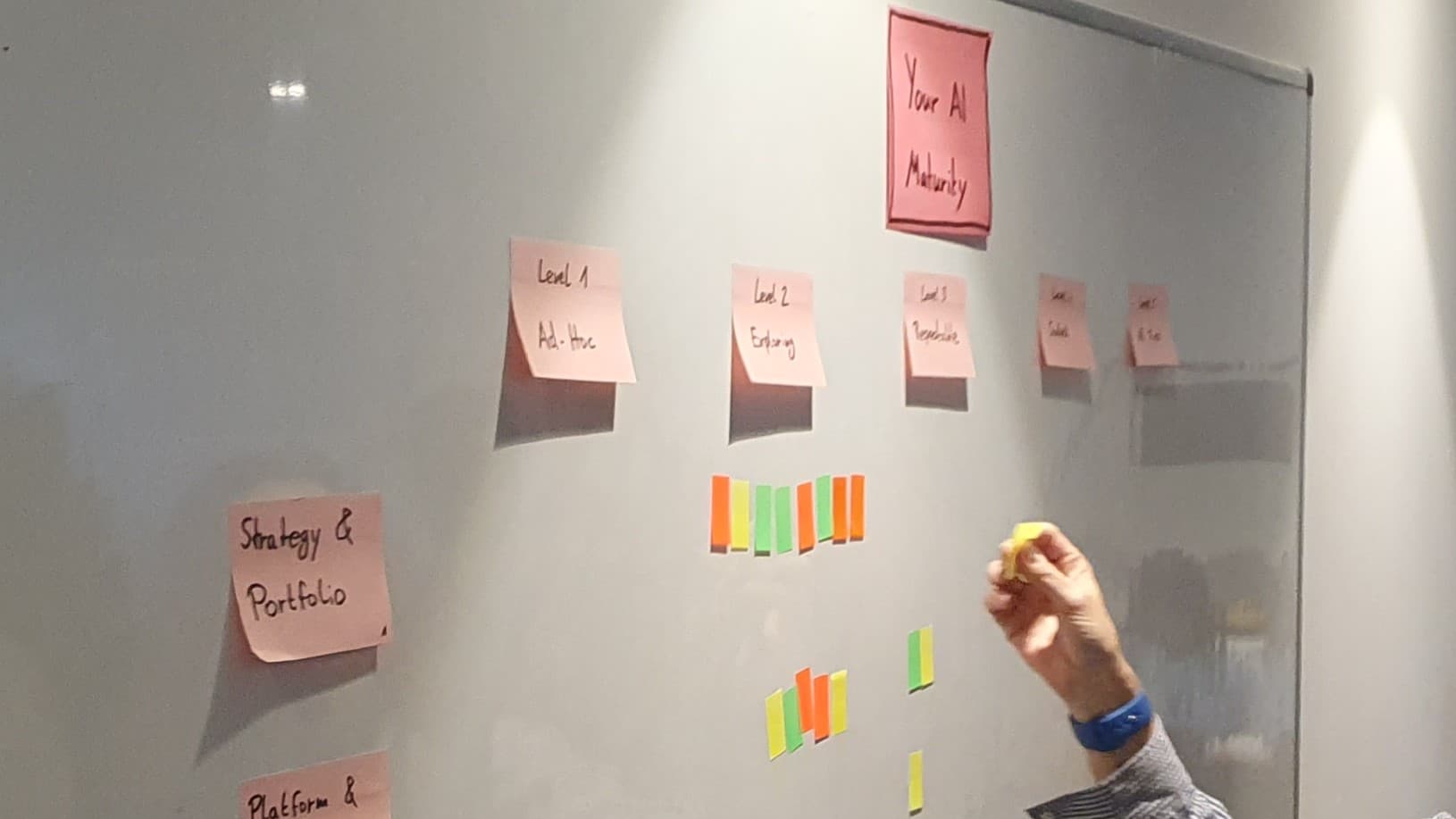
Besides other measures, Alexandra Fahl and I run in-person workshops with leaders and selected employees in Spain, Taiwan, India, and Germany to create a common starting point for AI adoption.
Although AI transformation initiatives need also to focus on risk, compliance, architecture, or control, these topics would rarely create energy at the beginning.
To set the right tone from the start, we chose to work with a variation of the Sparkling Moments method. The intention was to surface real experiences and create constructive energy for the conversation.
We asked participants three simple questions:
- What was your most valuable AI moment?
- What changed because of it?
- Which conditions made it possible?
Starting with real experiences shifts the focus to lived usefulness. It allows people to speak about what has already worked and what has made a difference in their daily work. Sharing these moments also inspires others in the room.
What moments stood out, and what themes emerged?
Across workshops, participants shared a wide range of examples. Yet despite different roles and countries, clear patterns began to emerge. A few moments illustrate this:
- One participant, with no prior experience in a specific frontend framework, built a working UI prototype under time pressure in less than half an hour using an AI coding assistant. The real impact was not the code itself, but the confidence gained in exploring unfamiliar territory.
- Several participants described using AI to understand and safely modify large legacy systems when no expert was available. AI did not replace judgment, but it lowered the barrier to engagement.
- Outside of work, people mentioned planning complex travel itineraries or supporting children with homework. These examples show that familiarity with AI often develops through everyday usefulness rather than formal training.
Looking across all sessions, the themes were remarkably consistent:
- Coding, debugging, and refactoring, especially in large or unfamiliar codebases
- Documentation and summarization, from meetings to onboarding materials
- Learning and onboarding, accelerating entry into new technologies or domains
- Automation of repetitive or cognitively demanding tasks, such as test case generation or environment setup
The themes themselves were not particularly surprising, as particpants primarily described practical, hands-on experiences. What stood out, however, was their consistency across countries and contexts. In addition, leaders often also link to systemic insights: trust is often more decisive than motivation; tool quality shapes behavior more than policy; and employees are already engaging with AI thoughtfully and critically.
What actually changed?
When participants reflected on what had changed, four effects appeared consistently:
- Time savings, often substantial
- Quality improvements, especially in structure and completeness
- Risk reduction, particularly in unfamiliar contexts
- Lower cognitive load, enabling focus on higher-value decisions
Interestingly, reduced mental effort was often described as the most meaningful change, even though it is the hardest to measure.
What are enabling factors?
When discussing what made these moments possible, recurring patterns emerged:
- AI was applied to real, immediate problems
- Sufficient context was provided
- Outputs were reviewed and refined
- Tools were embedded into daily workflows
- Experimentation was culturally supported
For many leaders, this perspective was pivotal. It clarified that their role is less about pushing usage and more about shaping the conditions under which value can emerge and scale.
Another recurring theme was the availability and quality of compliant tools. Where secure, organization-approved solutions are genuinely helpful and well integrated, adoption accelerates. Where they fall behind public alternatives in usability or performance, participants often feel that the available potential is not fully realized.
What does it mean for AI transformation?
One insight became increasingly clear throughout the workshop series:
AI adoption is not primarily a persuasion problem. It is a usefulness problem.
Adoption begins when usefulness becomes tangible. When people experience real value in their daily work, skepticism decreases and experimentation increases. Usage becomes self-driven rather than mandated.
Sparkling AI Moments are often where meaningful transformation begins because lived usefulness builds confidence — and confidence leads to action.
%22%2F%3E%0A%20%20%20%20%20%20%3Cstop%20offset%3D%22100%25%22%20stop-color%3D%22hsl(23%2073%25%2023%25)%22%2F%3E%0A%20%20%20%20%3C%2FlinearGradient%3E%0A%20%20%20%20%3CradialGradient%20id%3D%22wash%22%20cx%3D%2250%25%22%20cy%3D%2250%25%22%20r%3D%2250%25%22%3E%0A%20%20%20%20%20%20%3Cstop%20offset%3D%220%25%22%20stop-color%3D%22hsl(175%2075%25%2050%25)%22%20stop-opacity%3D%220.95%22%2F%3E%0A%20%20%20%20%20%20%3Cstop%20offset%3D%22100%25%22%20stop-color%3D%22hsl(175%2075%25%2050%25)%22%20stop-opacity%3D%220%22%2F%3E%0A%20%20%20%20%3C%2FradialGradient%3E%0A%20%20%20%20%3Cpattern%20id%3D%22stripes%22%20width%3D%2261%22%20height%3D%2261%22%20patternUnits%3D%22userSpaceOnUse%22%20patternTransform%3D%22rotate(10)%22%3E%0A%20%20%20%20%20%20%3Cpath%20d%3D%22M%200%2030%20L%2061%2030%22%20stroke%3D%22white%22%20stroke-opacity%3D%220.09%22%20stroke-width%3D%221.8%22%2F%3E%0A%20%20%20%20%3C%2Fpattern%3E%0A%20%20%3C%2Fdefs%3E%0A%0A%20%20%3Crect%20width%3D%221600%22%20height%3D%22900%22%20fill%3D%22url(%23bg)%22%2F%3E%0A%20%20%3Crect%20width%3D%221600%22%20height%3D%22900%22%20fill%3D%22url(%23wash)%22%20opacity%3D%220.28%22%2F%3E%0A%20%20%3Crect%20width%3D%221600%22%20height%3D%22900%22%20fill%3D%22url(%23stripes)%22%2F%3E%0A%0A%20%20%3Cg%20fill%3D%22none%22%20stroke%3D%22white%22%20stroke-opacity%3D%220.10%22%3E%0A%20%20%20%20%3Cpath%20d%3D%22M%200%20739%20C%20260%20569%2C%20570%20909%2C%20840%20739%20S%201300%20569%2C%201600%20739%22%20stroke-width%3D%222%22%2F%3E%0A%20%20%20%20%3Cpath%20d%3D%22M%200%20807%20C%20220%20642%2C%20610%20972%2C%20910%20807%20S%201320%20642%2C%201600%20807%22%20stroke-width%3D%222%22%2F%3E%0A%20%20%3C%2Fg%3E%0A%3C%2Fsvg%3E)